Asiago
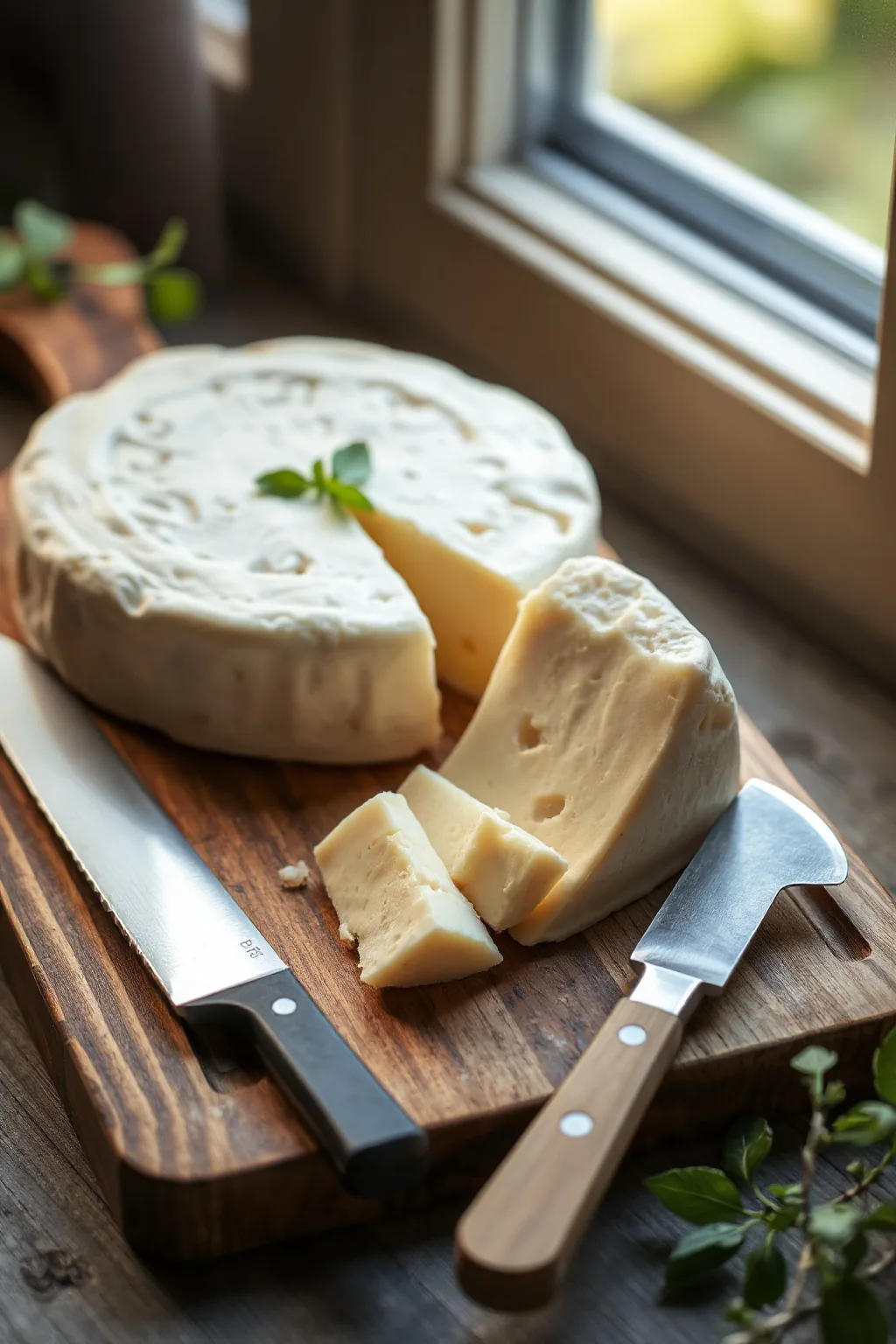
Asiago is a traditional Italian cow's milk cheese with a long heritage in the Veneto region, known for its distinctive nutty and slightly sweet character. This versatile cheese exists in two main styles: the younger, semi-firm Asiago Pressato and the aged, harder Asiago d'Allevo, each offering different culinary possibilities. Its complex flavor and appealing texture have made it a cornerstone of Northern Italian cheese traditions for centuries.
How Asiago is made
Asiago is produced from milk of Friesian and other local cattle breeds, carefully heated and treated with specific cultures and rennet to develop its characteristic profile. The curds are cut, stirred, and heated to precise temperatures before being transferred to molds and pressed—techniques refined over centuries that require deep technical knowledge. The cheese is then salted and aged in temperature- and humidity-controlled facilities, where natural rinds develop and complex flavors emerge through enzymatic action impossible to replicate in home settings. Licensed dairies maintain strict protocols ensuring consistent quality, safety, and the authentic character that defines genuine Asiago.
How to use it
- Table cheese for cheese boards and appetizers, particularly the aged d'Allevo
- Grated over pasta, risotto, and polenta dishes
- Ingredient in traditional Northern Italian recipes such as casunziei (filled pasta)
- Sliced as part of Italian charcuterie platters
- Melted on crostini or incorporated into savory baked goods
Best substitutes
- Parmigiano-Reggiano (harder, more aged alternative)
- Piave (similar Veneto cheese with comparable texture)
- Grana Padano (similar aged cow's milk cheese)
- Montasio (Alpine cheese with comparable nutty notes)
Perfect pairings
- White wines such as Pinot Grigio or Soave from the Veneto region
- Light reds such as Bardolino or Valpolicella
- Fresh pears, honey, and walnuts for cheese boards
- Aged d'Allevo pairs excellently with aged balsamic vinegar and cured meats
Did you know? The Asiago Plateau sits at over 1,000 meters elevation in the Dolomites, and historical records indicate cheese-making there dates back to at least the 10th century, when monks and local herders developed the techniques that remain largely unchanged today—making it one of Europe's oldest continuously produced cheeses.