Caciocavallo Silano
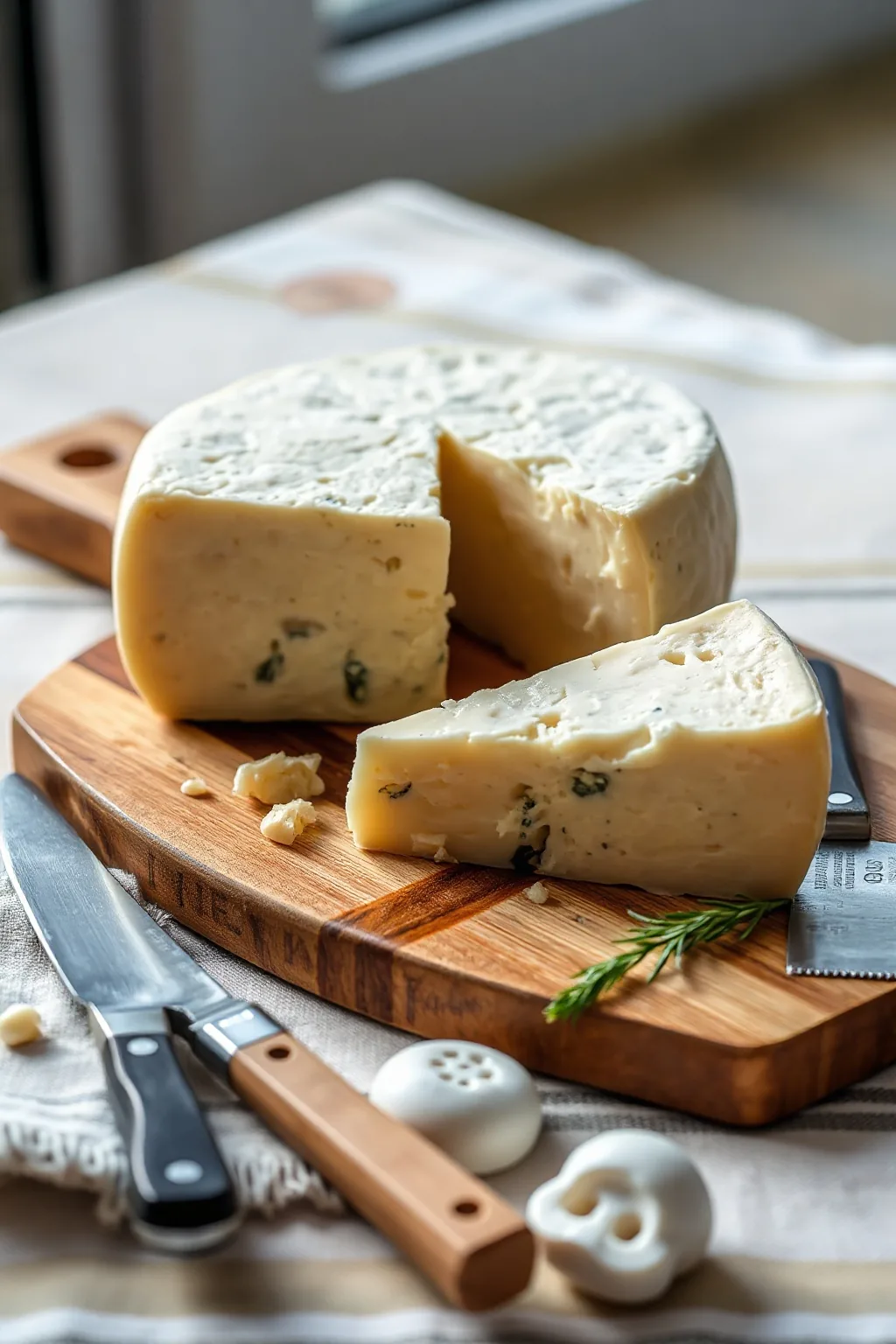
Caciocavallo Silano is a traditional stretched-curd cheese from southern Italy with a distinctive pear or bottle shape created by hand-tying with twine. This semi-hard cheese showcases the rich milk traditions of the Sila plateau, known for its pristine pastures and centuries-old cheesemaking heritage.
How Caciocavallo Silano is made
Caciocavallo Silano is produced using stretched-curd (pasta filata) technique, where curd is heated and then stretched by hand into a smooth, plastic mass before being shaped into its characteristic pear form and secured with twine. Licensed dairies follow strict DOP regulations governing milk source, microbial cultures, rennet use, and production temperatures—conditions difficult to replicate outside commercial facilities. The cheese must be made from milk sourced within the protected region and follow centuries-old protocols that ensure authenticity. Aging occurs in climate-controlled facilities where humidity and temperature are carefully monitored to achieve the proper rind development and interior texture evolution.
How to use it
- Eat fresh or lightly aged as a table cheese, sliced and enjoyed on its own or with bread
- Grill or fry slices as a warm appetizer, allowing the cheese to soften and become creamy
- Shave thin slices over fresh salads for a mild, sweet cheese component
- Include in charcuterie boards paired with cured meats and olives
- Add to pasta dishes or baked gratins in aged form for a more assertive flavor
Best substitutes
- Provolone Valpadana
- Scamorza (smoked or unsmoked)
- Ragusano
Perfect pairings
- Crisp white wines such as Greco di Tufo or Fiano
- Dry rosés from Calabria or nearby regions
- Cured Calabrian meats like 'nduja and pancetta
Did you know? The iconic pear or bottle shape of Caciocavallo Silano is created by hand during production—a cheesemaker stretches and molds the warm curd, then ties it with natural twine or raffia in a specific knot, making each cheese a slightly individual work of traditional craft that connects modern production to centuries of Calabrian cheesemaking history.