Montasio
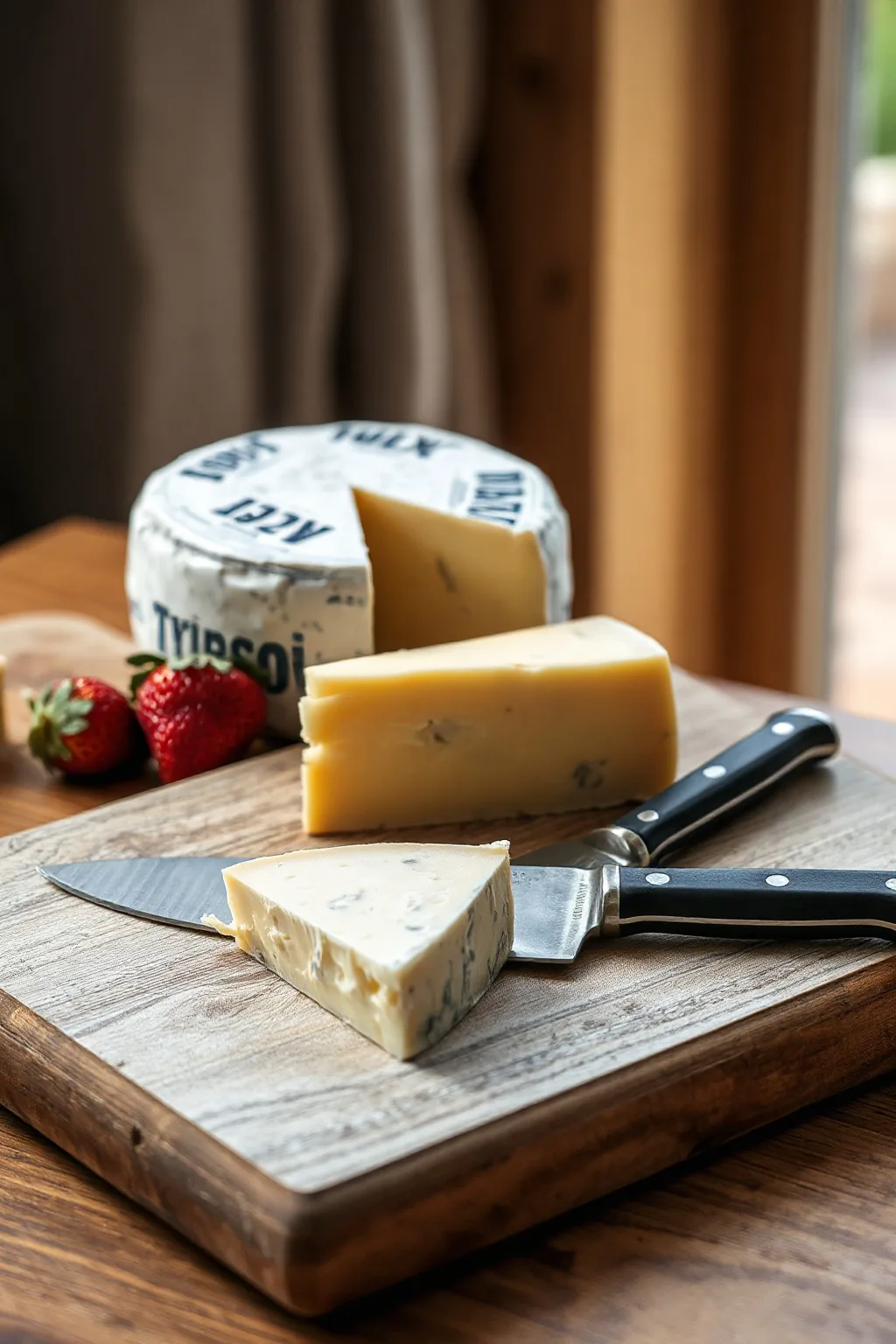
Montasio is a semi-hard to hard Italian cheese with a rich, complex character that develops beautifully with age. Produced in the Friuli-Venezia Giulia region, it showcases the pastoral traditions of the Alpine foothills and represents centuries of cheesemaking heritage. Its versatility—from young and mild to aged and intensely savory—makes it a cornerstone of northeastern Italian cuisine.
How Montasio is made
Montasio is crafted from high-quality cow's milk that is gently heated and combined with natural rennet, then carefully cut into fine curds and cooked at controlled temperatures. The curds are transferred to traditional molds and pressed, then aged in climate-controlled caves that provide the exact humidity and temperature needed for proper maturation and rind development. The use of raw or minimally processed milk, the specific microbial flora of the region, and the particular aging conditions in designated caves create characteristics that cannot be replicated outside licensed DOP facilities.
How to use it
- Enjoy young Montasio sliced as a table cheese with bread and honey
- Grate aged Montasio over soups, polenta, and risotto dishes
- Include it in traditional Friuli focaccia and vegetable dishes
- Use as an ingredient in local pasta fillings and gratins
- Serve aged specimens as part of a cheese board with cured meats
Best substitutes
- Asiago (similar Alpine character and aging progression)
- Piave (another northeastern Italian hard cheese with comparable complexity)
- Parmigiano-Reggiano (for grating; slightly different regional character)
Perfect pairings
- White wines from Friuli-Venezia Giulia, such as Sauvignon Blanc or Ribolla Gialla
- Red wines with moderate tannins, like Terrano or lighter Refosco varieties
- Honey, walnuts, and quince paste with aged specimens
Did you know? Montasio's name likely derives from the Montasio Plateau in the Julian Alps, where herders have grazed cattle for centuries, and the cheese has been documented in local records dating back to at least the 16th century as a staple of Alpine dairy production.