Parmigiano-Reggiano
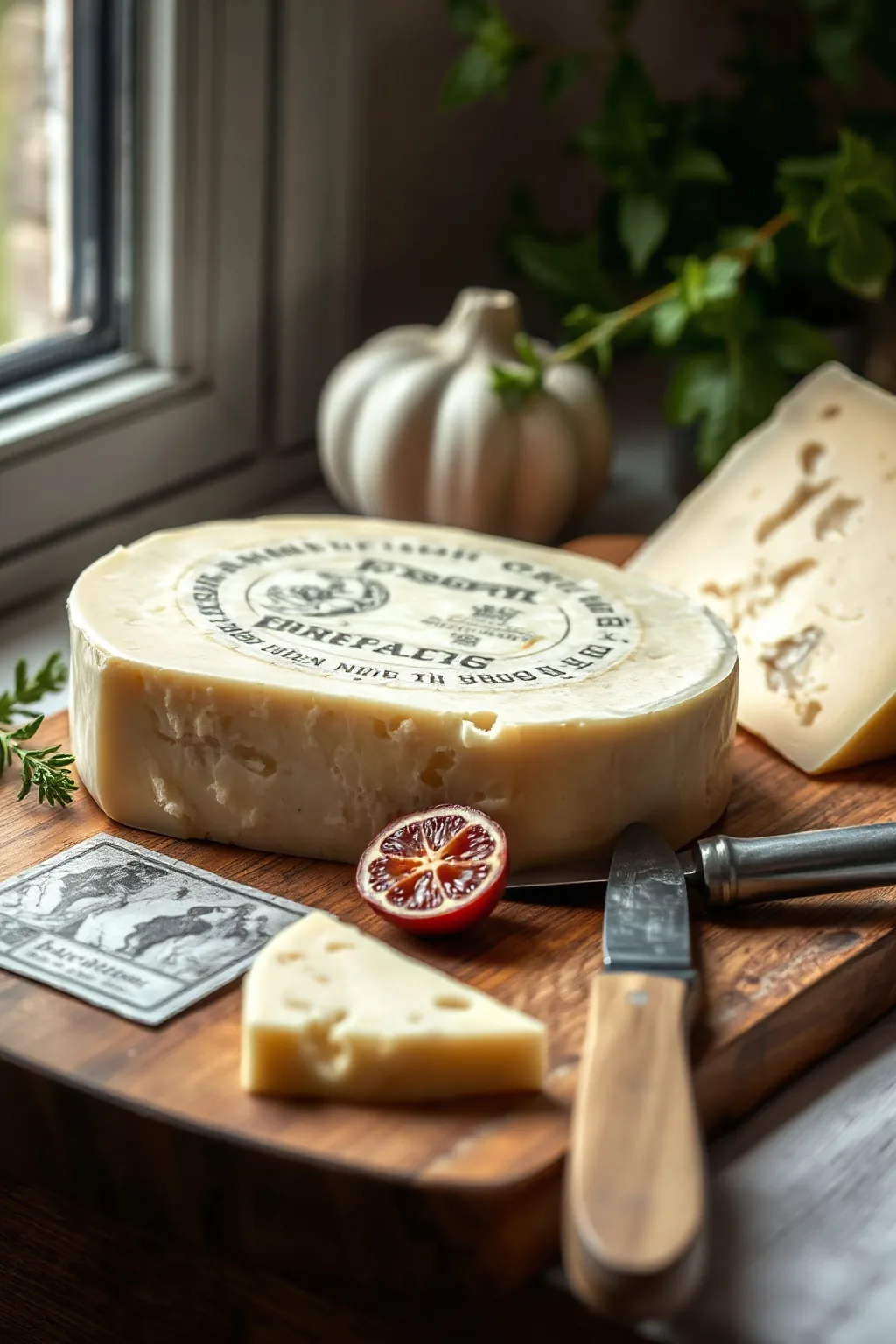
Parmigiano-Reggiano is one of the world's most iconic hard cheeses, renowned for its complex, nutty flavor and distinctive granular texture. Produced exclusively in a strictly defined region of Italy using time-honored methods, this cheese is aged for a minimum of 24 months, developing rich umami notes that make it indispensable in Italian and international cuisine. Its PDO status ensures that only cheese made under rigorous production rules in licensed dairies can bear this prestigious name.
How Parmigiano-Reggiano is made
Parmigiano-Reggiano is produced from raw, partially skimmed cow's milk using traditional rennet and natural cultures, then cooked, cut, and pressed before being brined and aged in temperature-controlled caves. The use of raw milk, specific bacterial cultures selected for the region, and the mineral content of local water are key factors that cannot be replicated outside the protected zone. The cheese wheels rest on wooden boards in humidity-controlled aging rooms for years, developing their characteristic crystalline structure and deep flavor. Only licensed dairies operating within the PDO zone and following strict regulations may produce authentic Parmigiano-Reggiano.
How to use it
- Grate over pasta, risotto, and soups for bold, umami flavor
- Shave thin curls over salads and vegetables
- Break into chunks for serving as a table cheese with bread
- Use in traditional Italian dishes like Bolognese sauce and polenta
- Add to béchamel sauce or gratins for depth
Best substitutes
- Grana Padano
- Pecorino Romano
- Piave
- Asiago
Perfect pairings
- Aged Parmigiano-Reggiano (36+ months) with Sangiovese, Barbera, or full-bodied red wines
- Younger Parmigiano-Reggiano with Pinot Grigio or dry white wine
- Sliced with pears, quince paste, or aged balsamic vinegar
Did you know? Each wheel of authentic Parmigiano-Reggiano bears an official stamp on its rind marking the month and year of production, along with the identification code of the dairy that made it—a mark of traceability and quality that has been used for centuries.