Pecorino Toscano
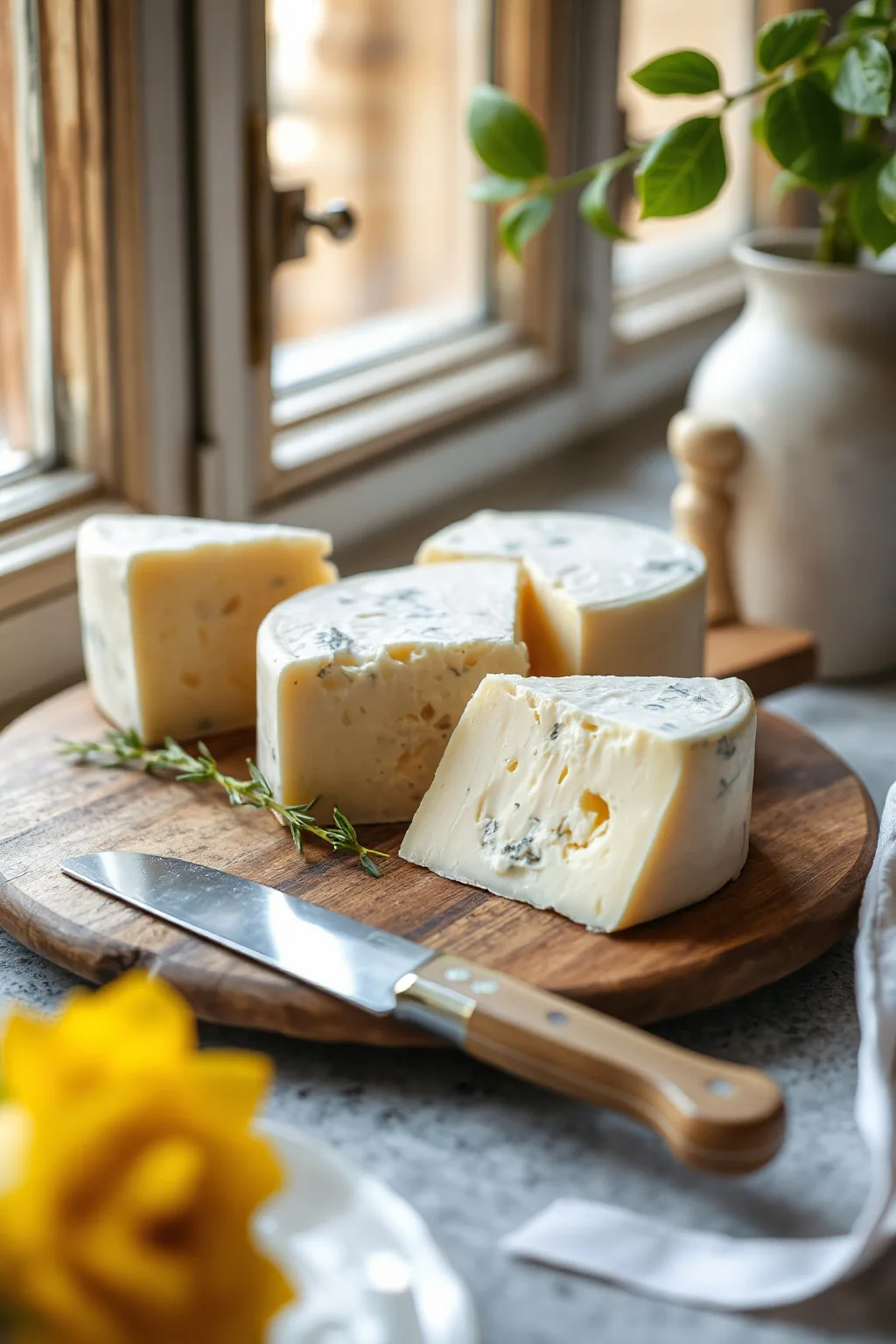
Pecorino Toscano is a hard sheep's milk cheese from central Italy with a rich, peppery character and a complex, slightly grainy texture. This traditional cheese has been produced in Tuscany for centuries and represents one of Italy's most celebrated pecorino varieties. Its distinctive flavor ranges from mild and buttery when young to robustly savory and lingering when aged.
How Pecorino Toscano is made
Pecorino Toscano is made from raw or thermized sheep's milk using traditional rennet and natural whey cultures, then cut into small curds and slowly heated. The curds are transferred to traditional molds where they drain naturally, and the wheels are salted and aged in controlled temperature environments. The specific terroir of Tuscany, local sheep breeds, and traditional aging techniques in natural caves or specially designed facilities create flavors and textures impossible to replicate elsewhere, making licensed production essential to the cheese's authenticity.
How to use it
- Grate over pasta, soups, and Tuscan bread salads for a distinctive savory note
- Serve in thin slices as part of an Italian cheese board with honey or fruit preserves
- Enjoy as a table cheese with crusty bread and olives
- Crumble younger versions into salads for texture and flavor
- Use aged wheels in cooking for concentrated umami depth
Best substitutes
- Pecorino Romano (sharper, from Rome region)
- Pecorino Siciliano (creamier, from Sicily)
- Manchego (Spanish sheep's milk cheese with similar structure)
- Kashkaval (Balkan aged sheep's milk cheese)
Perfect pairings
- Tuscan red wines such as Brunello di Montalcino or Vino Nobile di Montepulciano
- Honey, particularly chestnut or wildflower varieties
- Fresh figs or quince paste
- Walnuts and toasted bread
Did you know? Pecorino Toscano DOP is one of the few Italian protected cheeses allowed to use thermized milk in addition to raw milk, reflecting a historical compromise between traditional producers and modern food safety standards established in the 1980s. This flexibility distinguishes it from stricter PDO cheeses that require only raw milk production.