Piave
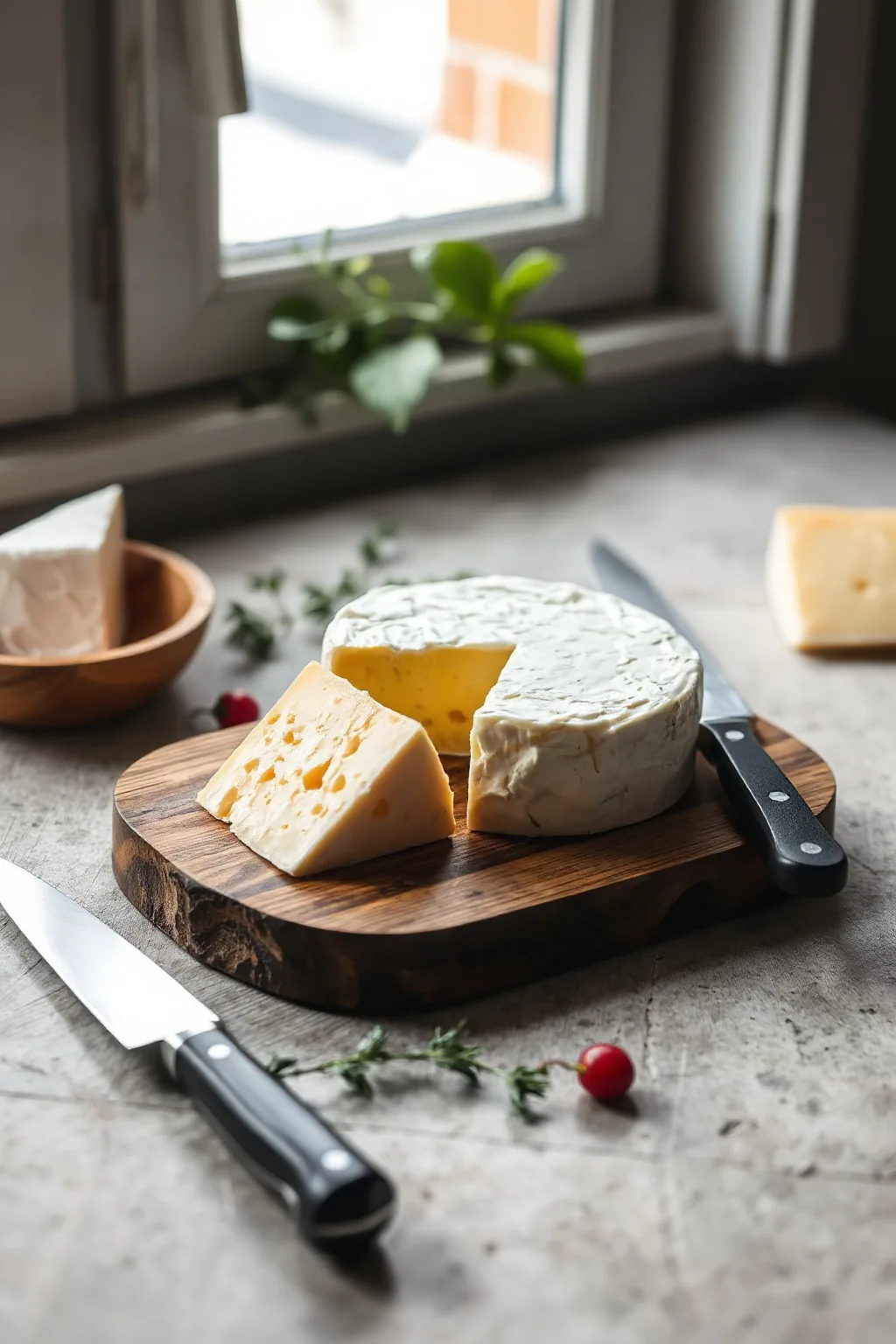
Piave is a semi-hard Italian cheese from the Veneto region with a clean, slightly sweet flavor and a smooth, supple texture that makes it versatile in the kitchen. Named after the Piave River in northeastern Italy, this cheese is produced by licensed dairies using carefully controlled methods to achieve its characteristic mild complexity. It represents a bridge between fresh and aged cheeses, offering the approachability of a young cheese with the structure of a more mature one.
How Piave is made
Piave is made by licensed dairies in the Veneto region following strict DOP regulations that define milk sourcing, production techniques, and aging conditions. The cheese is produced from cow's milk and uses traditional rennet and cultures, with the curds carefully cut, cooked, and drained according to established procedures. The wheels are typically brined and then aged in climate-controlled facilities where they develop their characteristic smooth paste and mild flavor profile. The DOP regulations ensure consistency and authenticity that cannot be replicated outside the designated production zone without the same regional milk sources, water, and environmental conditions.
How to use it
- Enjoy as a table cheese on a cheese board, showcasing its mild and approachable character
- Slice thin for sandwiches and panini, where its smooth texture melts beautifully
- Grate over pasta, risotto, or vegetable dishes as a finishing touch
- Pair with fruit and nuts as part of an aperitivo
- Use in cooking when a mild melting cheese is desired, particularly in regional Venetian recipes
Best substitutes
- Asiago (younger, creamier styles)
- Montasio from the Friuli-Venezia Giulia region
- Trentingrana or other gentle Alpine-style semi-hard cheeses
Perfect pairings
- Crisp white wines from the Veneto, such as Pinot Grigio or Soave
- Fresh fruits like pears, apples, and grapes
- Crusty bread and honey
- Light cured meats and antipasti
Did you know? Piave is one of Italy's younger DOP cheeses by production standards, having received its Protected Designation of Origin status relatively recently, yet it has quickly become recognized across Europe for its consistent quality and versatility, making it a modern success story in traditional Italian cheesemaking.