Provolone
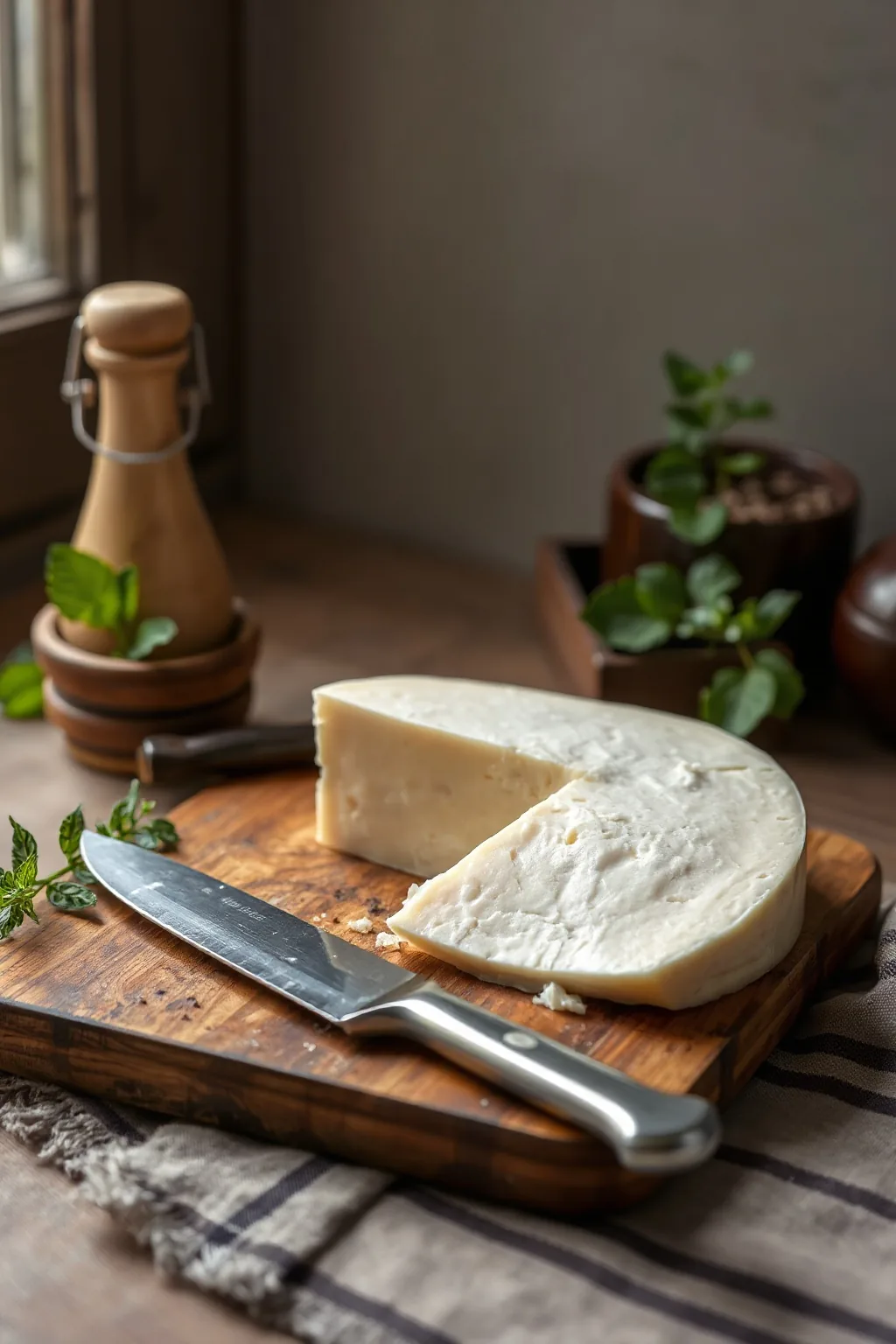
Provolone is a stretched-curd cheese from Italy with a smooth, supple texture and a flavor that ranges from mild and buttery to rich and peppery depending on its age. Named from the Italian word 'prova' (to prove or test), this iconic cheese is produced in several Italian regions and has become a staple in Italian cuisine and on international cheeseboards. Its distinctive pear or sausage shape, often hung from rafters during aging, makes it instantly recognizable.
How Provolone is made
Provolone is made using the pasta filata (stretched-curd) method, where milk is heated to precise temperatures, cut into curds, then stretched and kneaded by skilled cheesemakers to achieve its characteristic texture. After forming, the cheese is submerged in brine and traditionally hung for aging in special conditions that develop its flavor and protective rind. The entire process demands professional equipment, specialized rennet cultures, and carefully controlled temperature and humidity environments that are not practically replicated outside licensed dairy facilities. Authentic DOP Provolone Valpadana must follow strict regulations regarding milk source, production methods, and aging protocols.
How to use it
- Sliced thin for antipasto platters or as a table cheese
- Melted into sandwiches and panini for a creamy texture
- Grated or shaved over pasta, risotto, or grilled vegetables
- Cubed and included in Italian cheese boards with cured meats
- Baked or grilled as a standalone appetizer
Best substitutes
- Caciocavallo (another stretched-curd cheese with similar texture and origin)
- Scamorza (milder Italian stretched-curd cheese)
- Mozzarella di Bufala (softer but with comparable mild flavor when young)
Perfect pairings
- Crisp white wines such as Pinot Grigio or Vermentino
- Italian cured meats like prosciutto, speck, and salami
- Fresh and grilled vegetables, particularly zucchini and eggplant
- Crusty bread, olives, and pepperoncini
Did you know? Provolone's distinctive shape—often resembling a pear or large sausage—comes from the traditional method of tying the cheese in a knot and hanging it from rafters during aging, where gravity and time create its iconic form and help develop its characteristic flavor profile.