Ragusano
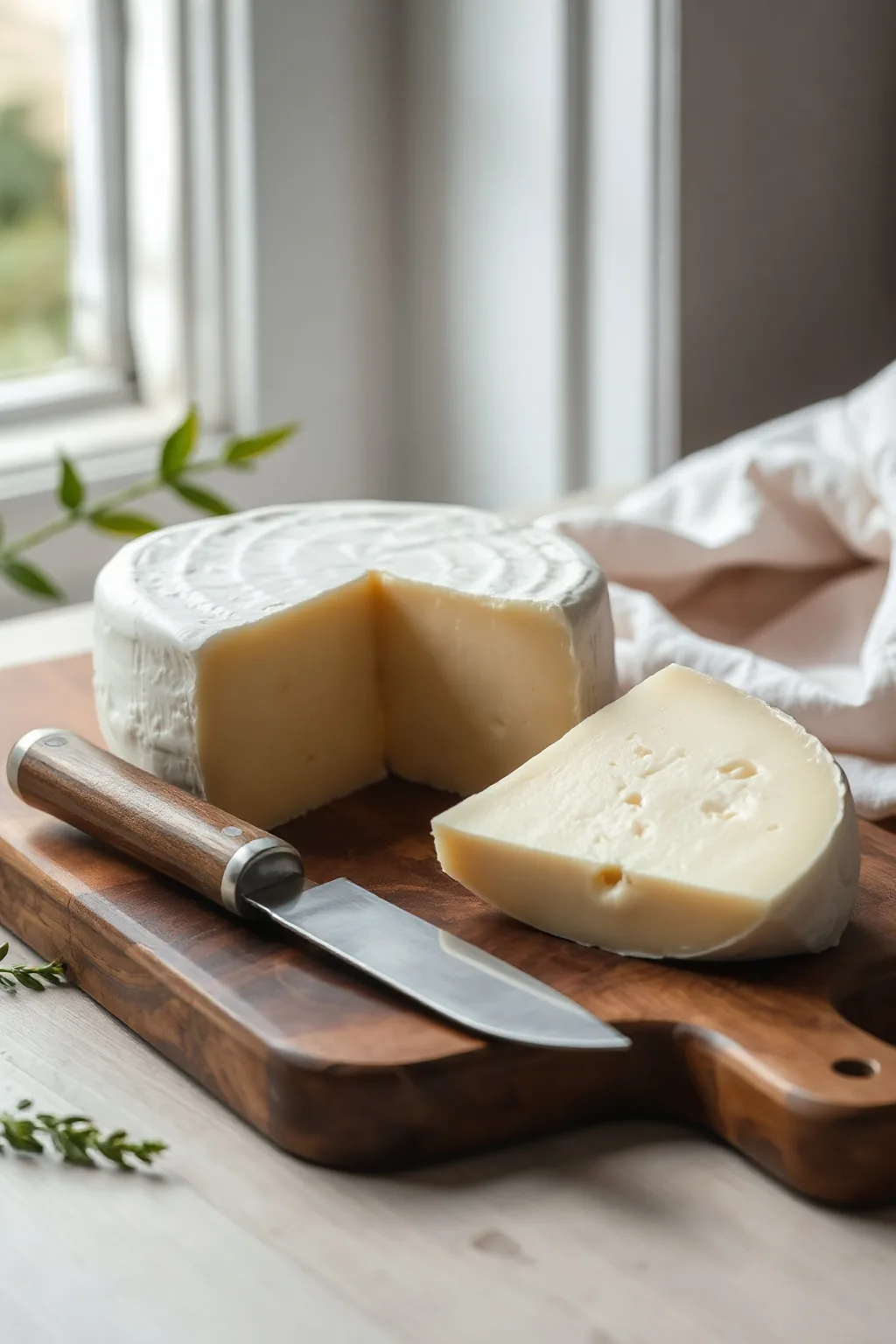
Ragusano is a traditional Sicilian cheese with a rich, slightly sweet flavor and a firm, sliceable texture that develops over months of patient aging. This ancient cheese hails from southeastern Sicily and represents one of Italy's most distinctive hard cheeses, shaped into distinctive cylindrical blocks. Its complex taste and versatility make it a cornerstone of Sicilian culinary tradition.
How Ragusano is made
Ragusano is produced exclusively from raw milk of Modicana cattle, a heritage breed indigenous to southeastern Sicily. The milk undergoes careful heating and coagulation using traditional methods and calf rennet, followed by curd cutting and cooking. The resulting cheese is pressed into its signature cylindrical mold for several days, then brined and transferred to temperature-controlled aging rooms where it must mature for a minimum of 12 months. The combination of raw milk, specific microbial flora native to the region, and strictly controlled aging conditions in dedicated facilities makes commercial replication outside licensed dairies impossible.
How to use it
- Slice and enjoy on cheese boards paired with bread, preserves, and nuts
- Grate over Sicilian pasta dishes, particularly those with tomato or seafood sauces
- Shave thin flakes over salads or roasted vegetables
- Serve as part of an Italian antipasto platter
- Cube and incorporate into Mediterranean grain or legume-based dishes
Best substitutes
- Caciocavallo Podolico (another Southern Italian stretched curd cheese)
- Pecorino Romano (though harder and more assertive)
- Parmigiano-Reggiano (similar granular texture and aging profile)
- Tuma (a milder Sicilian alternative)
Perfect pairings
- Nero d'Avola wines from Sicily (a natural regional match)
- Sicilian honey and fig preserves
- Warm crusty bread and roasted olives
- Vermouth or aged amaro as an after-dinner pairing
Did you know? Ragusano takes its cylindrical shape from its traditional production method: the cheese was historically formed in special wooden molds and the blocks were tied together in pairs with hemp rope, allowing them to be transported and hung for aging—a practice that continues among producers today and gives mature wheels their characteristic rope-marked appearance.