Tarako Spaghetti Recipe
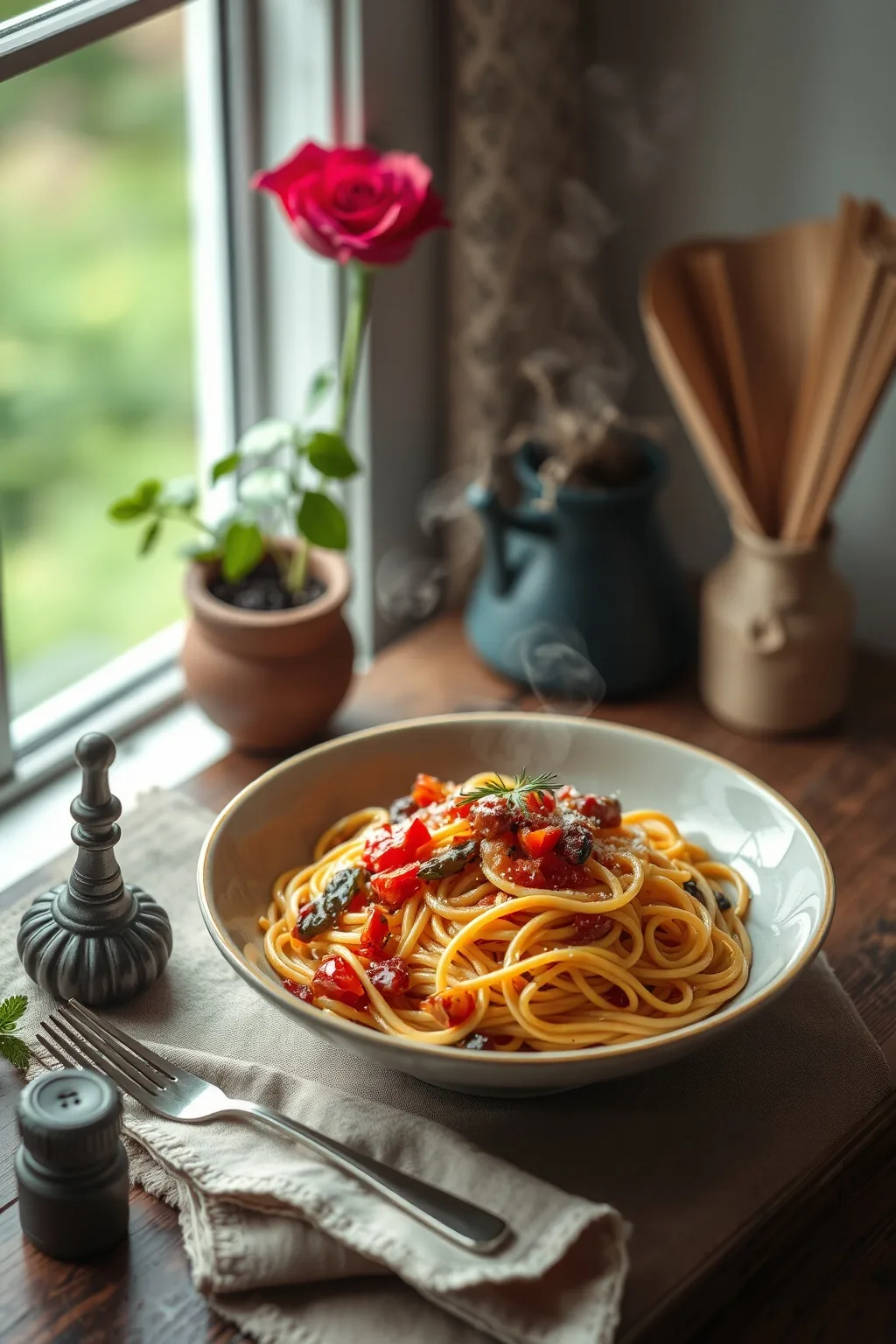
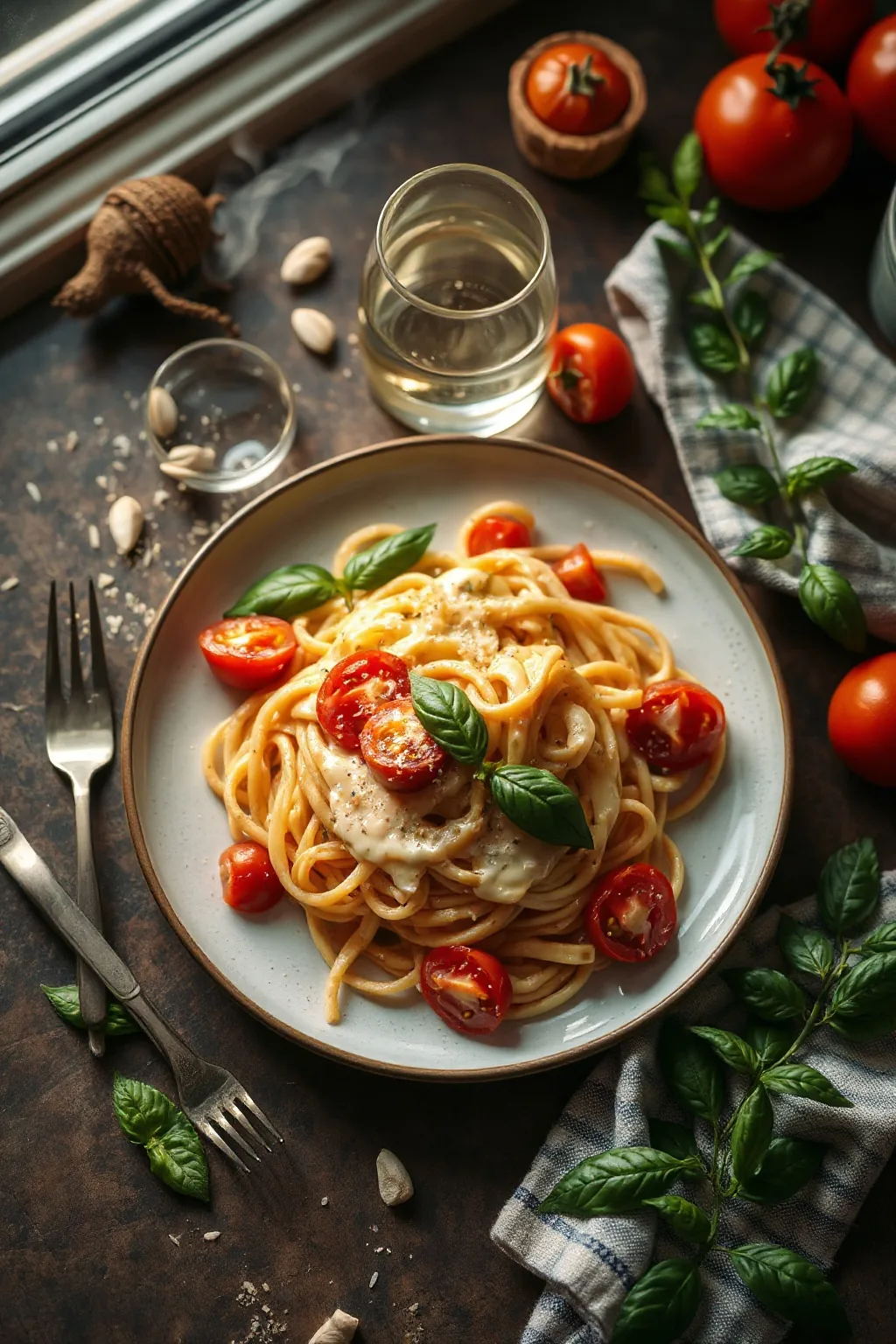
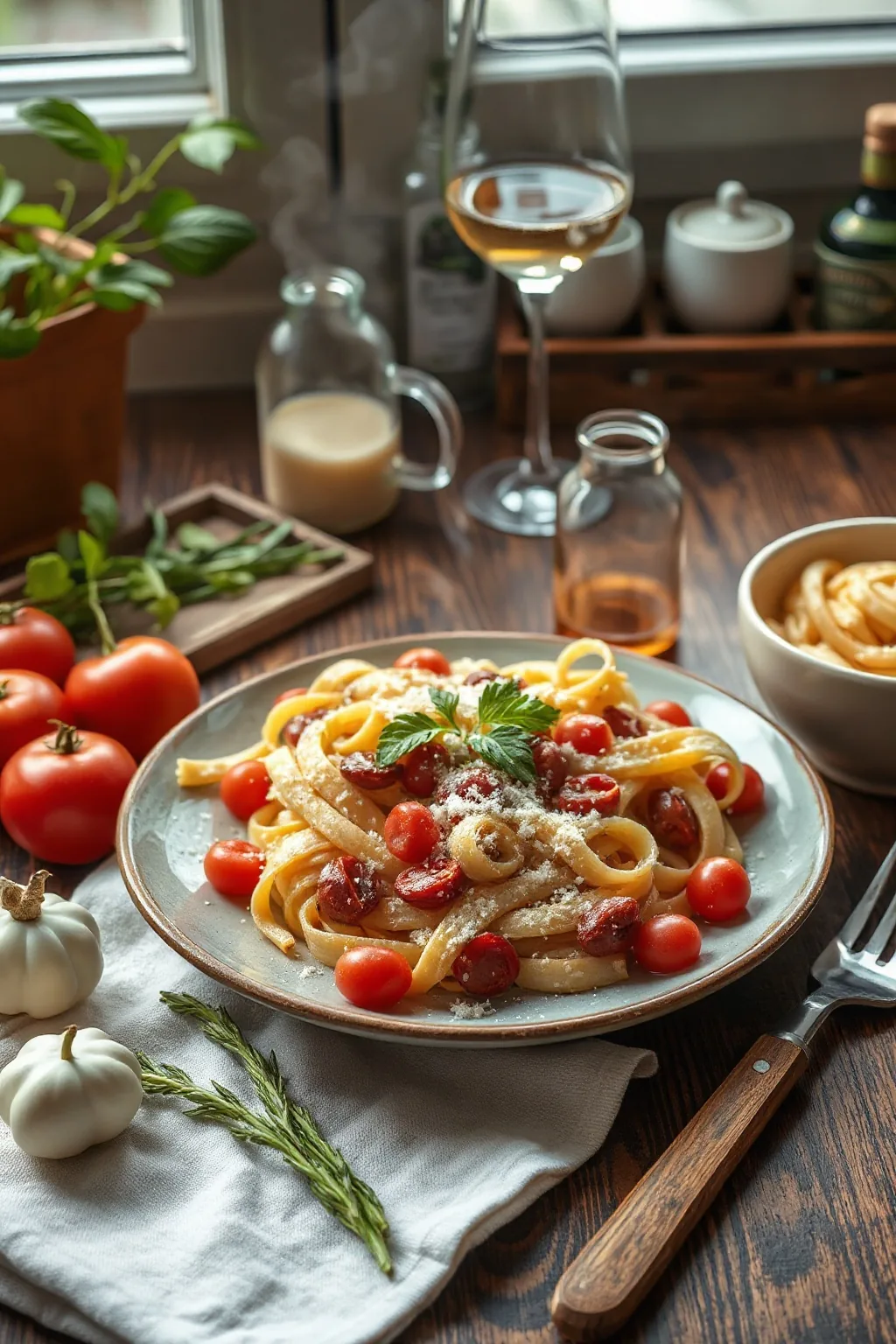
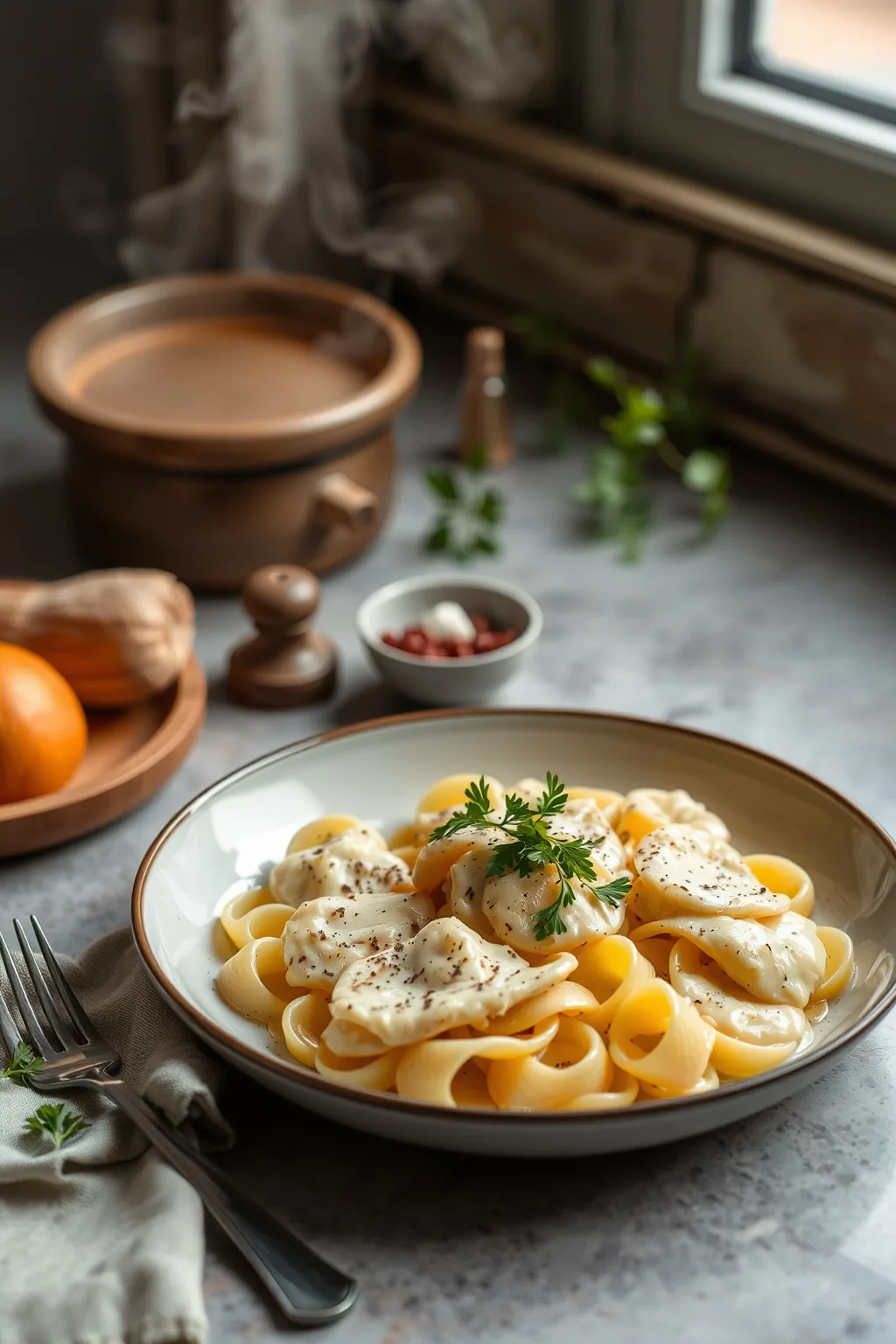
Tarako spaghetti is a classic Japanese-Italian fusion pasta featuring fresh egg noodles coated in a luxurious sauce made from salted cod roe and butter. This elegant yet simple dish celebrates the delicate brininess of tarako combined with creamy richness, creating a sophisticated main course ready in under 20 minutes.
Ingredients
- 80 g tarako (salted cod roe)
- 200 g spaghetti
- 60 g unsalted butter
- 100 ml heavy cream
- 2 cloves garlic, minced
- 2 tablespoons fresh lemon juice
- 1 tablespoon sake or dry white wine
- Salt and black pepper to taste
- 2 tablespoons freshly grated Parmigiano-Reggiano cheese
- 1 tablespoon fresh Italian parsley, finely chopped
- Zest of 1 lemon
Instructions
-
Bring a large pot of salted water to a rolling boil. Add spaghetti and cook according to package directions until al dente, approximately 9-11 minutes. Reserve 120 ml (½ cup) of pasta water before draining.
-
While pasta cooks, gently scrape the tarako with a fork over a small bowl to separate the roe from the membrane. Set aside.
-
In a large skillet over medium heat, melt butter and add minced garlic. Cook for 30 seconds until fragrant, stirring constantly to prevent browning.
-
Pour in the sake and lemon juice, stirring to combine. Simmer for 1 minute to allow alcohol to evaporate.
-
Reduce heat to low and add the separated tarako to the pan, stirring gently and continuously for 1-2 minutes until the roe begins to break down slightly and creates a creamy consistency.
-
Pour in the heavy cream and stir until well combined. Add salt and black pepper to taste.
-
Add the drained spaghetti directly to the skillet along with 60 ml (¼ cup) of reserved pasta water. Toss continuously for 1-2 minutes, adding more pasta water as needed to achieve a silky, flowing sauce that lightly coats each strand.
-
Divide spaghetti between serving bowls. Top with grated Parmigiano-Reggiano, fresh parsley, and lemon zest.
Substitutions
- Replace tarako with bottarga (mullet roe) for a slightly different briny flavor with similar creamy texture when gently heated
- Substitute heavy cream with crème fraîche or a mixture of mascarpone and pasta water for a lighter, tangier sauce
- Use smoked salmon roe (ikura) as a bolder alternative, though texture will be more pearled than creamy
- Replace Parmigiano-Reggiano with Pecorino Romano for a sharper, more assertive cheese flavor
Tips
- Never boil tarako at high heat or stir vigorously, as excessive agitation causes the roe to become grainy; gentle folding and low-medium heat preserve its creamy consistency
- Reserve pasta water before draining; the starch helps emulsify the sauce and provides silky texture without additional cream
- For best results, use high-quality fresh tarako rather than frozen, as it has superior flavor and creamier texture when gently heated
Tarako spaghetti emerged in Japan during the 1960s as a creative adaptation of Italian pasta, combining Western technique with Japanese ingredients. This fusion dish has become a beloved staple in both Japanese and modern Italian restaurants, representing how cuisines evolve through cultural exchange.
Frequently Asked Questions
How long does Tarako Spaghetti Recipe take to make?
Tarako Spaghetti Recipe takes about 22 minutes total — 10 minutes of prep and 12 minutes of cooking — and makes 2 servings.
What can I substitute in Tarako Spaghetti Recipe?
You can adapt it easily: Replace tarako with bottarga (mullet roe) for a slightly different briny flavor with similar creamy texture when gently heated; Substitute heavy cream with crème fraîche or a mixture of mascarpone and pasta water for a lighter, tangier sauce; Use smoked salmon roe (ikura) as a bolder alternative, though texture will be more pearled than creamy.
How should I store leftover Tarako Spaghetti Recipe?
Store leftovers in an airtight container in the refrigerator for up to 3–4 days and reheat gently before serving.
How much protein is in Tarako Spaghetti Recipe?
Each serving of Tarako Spaghetti Recipe has about 28g of protein and 690 calories.
Loading comments...