Fettuccini Carbonara Recipe
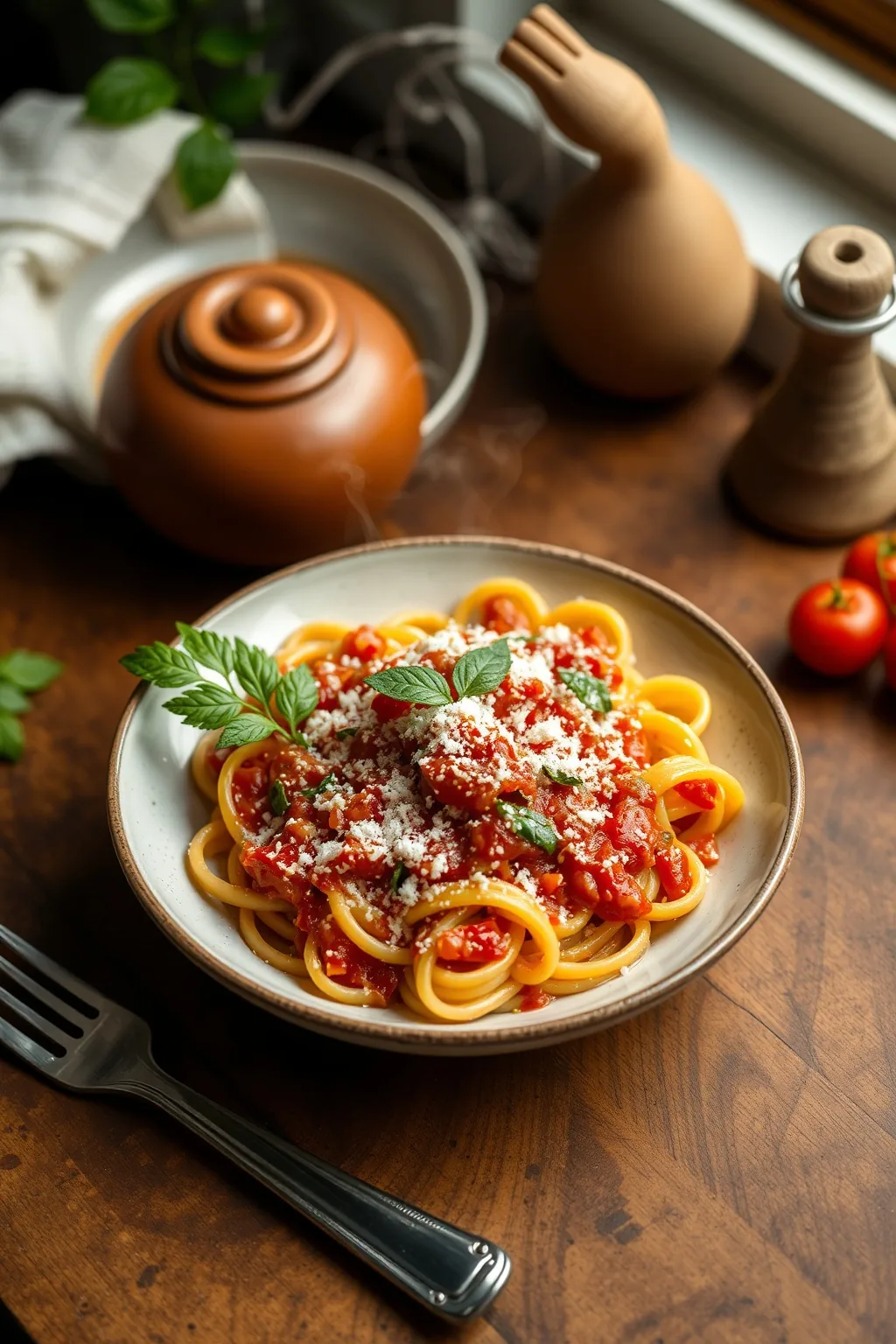
Fettuccini Carbonara is a classic Roman pasta dish built on the perfect balance of creamy egg sauce, crispy guanciale, and sharp Pecorino Romano cheese. This authentic preparation requires no cream—the silky sauce forms naturally from the emulsion of eggs, cheese, and pasta water. Mastered by understanding timing and temperature, carbonara delivers restaurant-quality results at home in under 30 minutes.
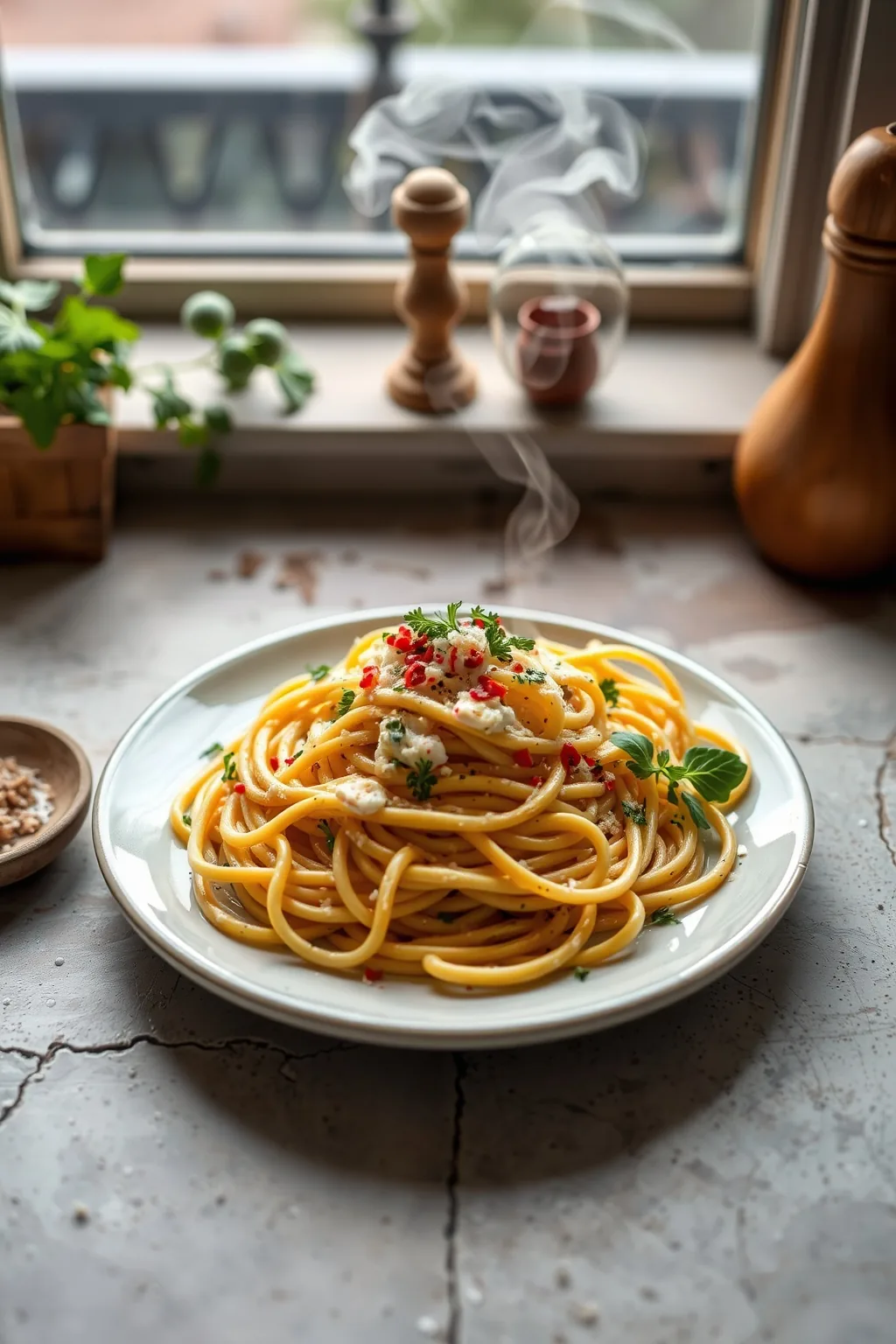
Ingredients
- 400g fettuccini pasta
- 200g guanciale, cut into 5mm matchsticks (7 oz)
- 4 large egg yolks plus 1 whole egg
- 100g Pecorino Romano cheese, finely grated (3.5 oz)
- Ground black pepper to taste
- Salt for pasta water
Instructions
-
Bring a large pot of heavily salted water to a rolling boil. The water should taste like seawater—this seasons the pasta itself.
-
Place guanciale matchsticks in a cold large skillet. Heat over medium heat, stirring occasionally, until the fat renders and the edges become crispy, about 8-10 minutes. The guanciale should be golden and fragrant but not burnt.
-
While guanciale cooks, whisk together the 4 egg yolks and 1 whole egg in a medium bowl with a pinch of ground black pepper. Do not add salt yet.
-
Stir the grated Pecorino Romano into the egg mixture until combined into a smooth paste-like consistency. Set aside.
-
Add fettuccini to the boiling water and cook until al dente, about 9-11 minutes depending on brand. Reserve 1 cup (240ml) of pasta water before draining.
-
Remove the skillet with guanciale from heat. Add the hot drained pasta directly to the warm (not hot) guanciale and fat, tossing constantly.
-
Pour the egg and cheese mixture over the pasta while tossing continuously. Add pasta water gradually—about 2-3 tablespoons at a time—while tossing, until a silky, glossy sauce coats every strand. The residual heat cooks the eggs without scrambling them.
-
Taste and adjust seasoning with salt and fresh cracked black pepper. Serve immediately in warmed bowls with extra Pecorino Romano and black pepper on the side.
Substitutions
- Replace guanciale with pancetta or bacon if guanciale is unavailable, though the dish will be less authentic
- Use Parmigiano-Reggiano instead of Pecorino Romano for a milder, slightly less salty sauce
- Substitute fettuccini with spaghetti, linguine, or tonnarelli for similar results
- Replace whole eggs and yolks with pasteurized eggs if concerned about raw egg consumption
Tips
- Keep the guanciale skillet off heat before adding hot pasta to prevent the eggs from scrambling—the residual warmth of the pasta and fat is sufficient to cook the egg mixture
- Add pasta water gradually; too much creates a thin sauce while too little results in clumpy eggs and cheese
- Never add cream; authentic carbonara relies entirely on the emulsion of egg, cheese, and pasta starch for its luxurious texture
Carbonara originated in Rome in the mid-20th century and remains a cornerstone of Roman cuisine, though its exact origins are debated. The name is believed to reference either charcoal workers (carbonari) or the black pepper that resembles coal dust, and the dish has become a symbol of traditional Italian cooking.
Frequently Asked Questions
How long does Fettuccini Carbonara Recipe take to make?
Fettuccini Carbonara Recipe takes about 25 minutes total — 10 minutes of prep and 15 minutes of cooking — and makes 4 servings.
What can I substitute in Fettuccini Carbonara Recipe?
You can adapt it easily: Replace guanciale with pancetta or bacon if guanciale is unavailable, though the dish will be less authentic; Use Parmigiano-Reggiano instead of Pecorino Romano for a milder, slightly less salty sauce; Substitute fettuccini with spaghetti, linguine, or tonnarelli for similar results.
How should I store leftover Fettuccini Carbonara Recipe?
Store leftovers in an airtight container in the refrigerator for up to 3–4 days and reheat gently before serving.
How much protein is in Fettuccini Carbonara Recipe?
Each serving of Fettuccini Carbonara Recipe has about 28g of protein and 650 calories.
Loading comments...